phsky How Slot Machines Work
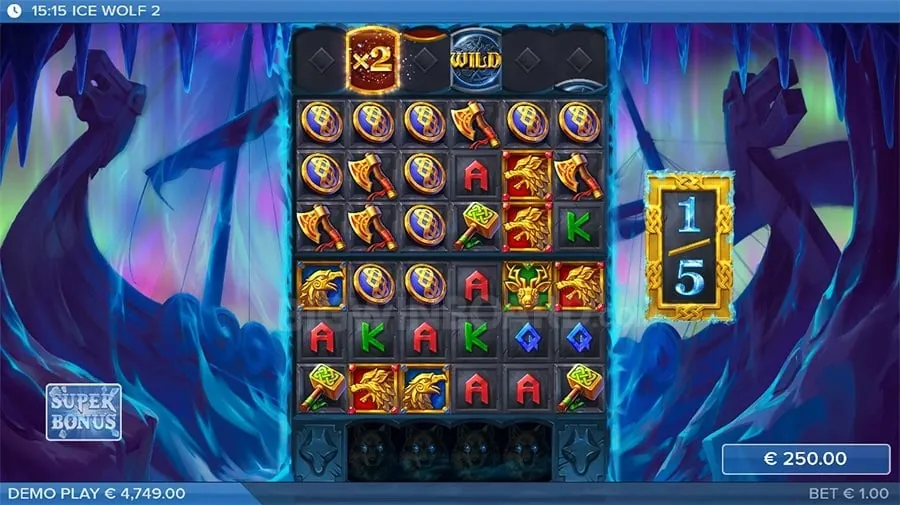
Unveiling the Secrets: phsky How Slot Machines Work
Welcome, aspiring online casino enthusiasts in the Philippines! Have you ever wondered what makes slot machines so captivating, or how they determine their winners? Whether you're new to the world of online gambling or just curious about the mechanics behind your favorite games, this beginner's guide is designed for you. At phsky, we believe that understanding the games you play enhances your experience, making it more enjoyable and strategic. Slot machines, with their dazzling lights, engaging themes, and the promise of big wins, are undoubtedly the most popular casino game worldwide. But beyond the flashing symbols and exciting sounds, there’s a sophisticated system at play. This article will demystify the inner workings of slot machines, from their fundamental components to the advanced algorithms that ensure fair play. We'll explore concepts like Random Number Generators (RNGs), Return to Player (RTP) percentages, and volatility, equipping you with the knowledge to approach online slots with confidence. Get ready to pull back the curtain and discover the fascinating technology that powers every spin, and how you can make the most of your gaming journey with phsky.
Table of Contents
- The Core Mechanics: How Slot Machines Function
- Understanding the Odds: RTP and Volatility Explained
- From Physical Levers to Digital Reels: The Evolution of Slots
- Playing Smart: Tips for Online Slot Enthusiasts
- phsky's Online Slots: A World of Entertainment
- Getting Started with Online Slots on phsky
- Frequently Asked Questions
The Core Mechanics: How Slot Machines Function
At their heart, all slot machines, whether traditional mechanical ones or modern online versions, operate on a fundamental principle: randomness. The magic behind this randomness is a sophisticated piece of software called a Random Number Generator (RNG). An RNG is an algorithm that constantly produces sequences of random numbers, even when the machine is idle. The moment you press the 'Spin' button, the RNG instantly generates a new set of numbers that correspond to the positions of the symbols on the reels.
Unlike old mechanical slots where the outcome was determined by physical gears and levers, today's digital slots are entirely governed by the RNG. This means each spin is completely independent of the previous one, and there's no way to predict the next outcome. The RNG ensures that every spin has the same chance of hitting a winning combination, guaranteeing fairness and unpredictability. This is a crucial concept for any player, especially those engaging in online gambling in the Philippines market, as it assures that the games are not rigged and provide a genuine chance of winning.
Beyond the RNG, other key components include:
- Reels: These are the vertical sections that spin and display symbols. Most modern slots have 3 or 5 reels, but some can have more.
- Symbols: Various images or icons that appear on the reels. These can include standard card symbols, themed icons, Wilds (which substitute for other symbols to form wins), and Scatters (which can trigger bonus features regardless of their position).
- Paylines: These are the specific patterns across the reels where winning combinations must land. Early slots had just one horizontal payline, but modern video slots can have dozens, hundreds, or even thousands of ways to win (often called 'Megaways').
- Paytable: Every slot machine has a paytable that details the value of each symbol, the different winning combinations, and information about any special features or bonus rounds. Always check the paytable before playing a new game!
Understanding these basic elements is the first step to truly appreciating the dynamics of slot machines and how they contribute to the exciting experience offered by platforms like phsky.
Understanding the Odds: RTP and Volatility Explained
While slot machines are games of chance, two important concepts help players understand their potential returns and the nature of their gameplay experience: Return to Player (RTP) and Volatility (or Variance).
Return to Player (RTP)
RTP is a theoretical percentage that indicates how much of the wagered money a slot machine will pay back to players over a long period of time. For example, a slot with an RTP of 96% means that, on average, for every 100 PHP wagered, the machine is expected to pay back 96 PHP to players. It's crucial to remember that RTP is a long-term average and does not guarantee that you will get 96 PHP back for every 100 PHP you play in a single session. Your short-term results can vary wildly. Higher RTP percentages are generally more favorable for players, as they theoretically offer better returns over time. Most online slots, including those available on phsky, typically have RTPs ranging from 92% to 98%.
Volatility (Variance)
Volatility, or variance, describes the risk level associated with a particular slot game. It tells you how often a slot pays out and how big those payouts tend to be:
- Low Volatility Slots: These games tend to pay out more frequently, but the individual payouts are usually smaller. They are ideal for players who prefer longer gaming sessions with less risk to their bankroll and enjoy consistent, albeit modest, wins.
- High Volatility Slots: These games pay out less often, but when they do, the wins can be significantly larger, including potential jackpots. High volatility slots are suited for players who are comfortable with higher risk, have a larger bankroll, and are chasing those big, life-changing wins.
- Medium Volatility Slots: These offer a balance between frequent small wins and occasional larger payouts, providing a good mix for most players.
Understanding both RTP and volatility allows players to choose games that align with their playing style and bankroll management strategy. Whether you're looking for consistent entertainment or the thrill of a big win, phsky offers a diverse range of slots with varying RTPs and volatilities to suit every preference.
From Physical Levers to Digital Reels: The Evolution of Slots
The journey of the slot machine is a fascinating tale of innovation, transforming from rudimentary mechanical contraptions to the sophisticated digital experiences we enjoy today. The first true slot machine, the